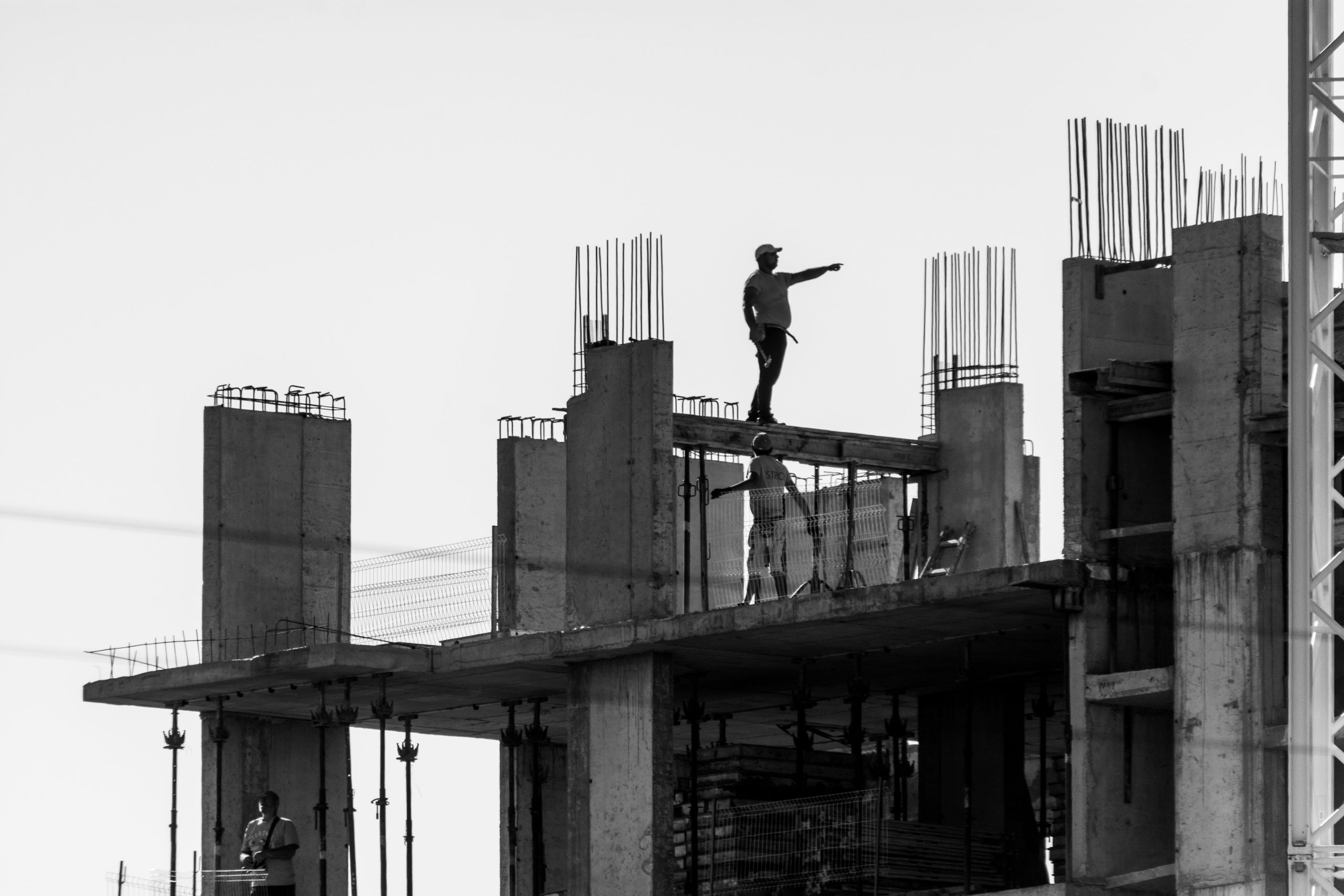
Saudi Arabia’s construction sector employs one of the largest expatriate workforces in the country, and understanding the labor rules that govern that work is essential for both employers and employees. The Saudi Labor Law, enforced by the Ministry of Human Resources and Social Development (HRSD) and monitored through the Qiwa platform, sets clear limits on daily and weekly working hours, defines how overtime must be calculated and paid, and guarantees every worker a minimum amount of rest. This article breaks down what construction workers and their employers in Saudi Arabia need to know in plain language.
Standard Working Hours
Under Article 98 of the Saudi Labor Law, the standard working day is capped at 8 hours, and the standard working week at 48 hours. For most construction crews, this typically means an 8-hour shift spread across six working days, with the seventh day reserved for rest. These limits apply regardless of nationality, so both Saudi and expatriate workers on a construction site are covered by the same baseline protections.
Because construction work is physically demanding and often takes place outdoors, employers are expected to organize shifts so that the 8-hour limit is not routinely exceeded without proper overtime compensation. Sites that push workers beyond this limit as a matter of course, rather than as an occasional exception, risk violating the law even if individual days appear compliant.
Ramadan Hours
During the holy month of Ramadan, working hours are reduced for Muslim employees to a maximum of 6 hours per day, or 36 hours per week. This reduction applies across sectors, including construction, and employers must adjust site schedules accordingly. Non-Muslim workers on the same site are generally not covered by this reduction, so mixed crews may need to run on two different schedules during Ramadan — something site supervisors need to plan for carefully to avoid confusion over pay and shift timing.
Midday Heat Ban
Construction work carries an additional, sector-specific restriction that does not appear in the general hours-of-work articles: the seasonal midday work ban. Each year, typically from mid-June through mid-September, outdoor work is prohibited during the hottest hours of the day, usually from around 12:00 noon to 3:00 pm. This rule exists specifically to protect construction and other outdoor laborers from heat-related illness and is enforced separately from the standard hours provisions. Employers must rearrange shifts around this window rather than simply shortening the working day, and non-compliance can result in significant fines.
Rest Breaks During the Workday
The law does not allow employers to schedule a full shift without a break. Workers may not be required to work more than 5 continuous hours without a rest period for prayer, meals, and general rest. In addition, the total time an employee spends at the workplace — including breaks — may not exceed 12 hours in a single day. For construction crews working under a hot sun or in physically strenuous conditions, this rest-break rule is not just a legal formality; it is a basic safeguard against exhaustion and heat stress, and site supervisors are expected to build it into daily scheduling rather than leaving it to workers to request informally.
Overtime: Limits and Pay
Overtime is permitted under Saudi law, but only within defined limits and at a defined rate.
The daily ceiling. Article 101 caps total working time, including overtime, at 11 hours in a single day. This means that even with overtime, a construction worker cannot legally be kept on site working for more than 11 hours total in one day. Combined with the 12-hour presence limit mentioned above, this leaves a narrow but clear boundary that employers must respect.
The overtime rate. Under Article 107, every hour worked beyond the standard 8-hour day (or beyond the standard weekly total) is treated as overtime and must be paid at the worker’s normal hourly rate plus 50 percent — effectively 1.5 times the regular hourly wage. For example, a worker earning SAR 20 per hour would be entitled to SAR 30 for each overtime hour worked. This premium is not optional or subject to employer discretion; it is a statutory minimum.
No substituting time off for overtime pay. Overtime must be paid in money. An employer cannot lawfully replace overtime pay with an equivalent amount of time off unless the employee has agreed to such an arrangement, and even then, this substitution sits on shakier legal ground and is not the default rule. For construction firms managing large crews and tight project deadlines, this is a common area of dispute, so keeping accurate, signed timesheets protects both sides.
Consent matters. In principle, an employee must agree to work overtime hours. In practice, on construction sites where deadlines are tight, this consent is often built into the employment contract or site agreement, but the underlying principle — that overtime is additional to the standard contract, not an automatic obligation — remains part of the law’s framework.
Weekly Rest Day
Every worker is entitled to one full paid rest day per week, which is Friday by default unless the employer and employee agree to a different day to suit operational needs — a common adjustment on large construction projects that run continuously. This rest day must be no less than 24 continuous hours and must be paid at full wage, even though no work is performed.
If a construction worker is required to work on their designated weekly rest day, this is not treated as ordinary overtime. Instead, it typically entitles the worker to their normal daily wage plus a 50 percent premium for that day, or an agreed compensatory day off in its place, with the arrangement documented in writing. Site managers should never treat the weekly rest day as a flexible buffer to absorb project delays without properly compensating affected workers.
Public Holidays
Saudi Arabia recognizes a small number of official public holidays each year, primarily tied to Eid al-Fitr and Eid al-Adha, along with National Day. Workers required to work on an official public holiday are generally entitled to premium pay — commonly a full day’s wage plus 50 percent — or a substitute day of rest, depending on what is agreed and documented in the contract. As with weekly rest days, verbal arrangements are risky for both parties; any deviation from a full day off should be recorded in writing and reflected in payroll records.
Why Compliance Matters in 2026
HRSD inspection activity has increased in recent years, and the Wages Protection System (WPS) gives labor authorities direct visibility into what workers are actually being paid, including overtime. Discrepancies between recorded working hours and WPS payments are a common trigger for labor disputes, and workers can now file complaints through the Qiwa platform from their phones. For construction companies managing large, often multinational workforces across multiple sites, this makes accurate timesheet tracking, transparent overtime calculation, and proper documentation of rest days and holiday work not just good practice but a real compliance necessity.
Practical Takeaways for Construction Workers
Standard hours are 8 per day or 48 per week; 6 per day or 36 per week during Ramadan for Muslim employees.
No more than 5 continuous hours of work without a break, and no more than 12 hours of total site presence per day.
Total daily working time, including overtime, cannot exceed 11 hours.
Overtime must be paid at 1.5 times the normal hourly rate — not substituted with time off by default.
Outdoor work is banned during the hottest midday hours in summer months.
One paid weekly rest day (typically Friday) of at least 24 continuous hours is guaranteed.
Work on rest days or public holidays generally requires premium pay or an agreed, documented substitute day off.
Workers who believe their hours or overtime pay do not match these legal minimums can raise the issue directly with their employer or file a complaint through the Qiwa platform, which is designed to give every worker, regardless of nationality, direct access to Saudi Arabia’s labor dispute system.